
A Massive Kelvin Wave Is Heading Toward California
Language
Reading Level
Listen to Article
Alignment
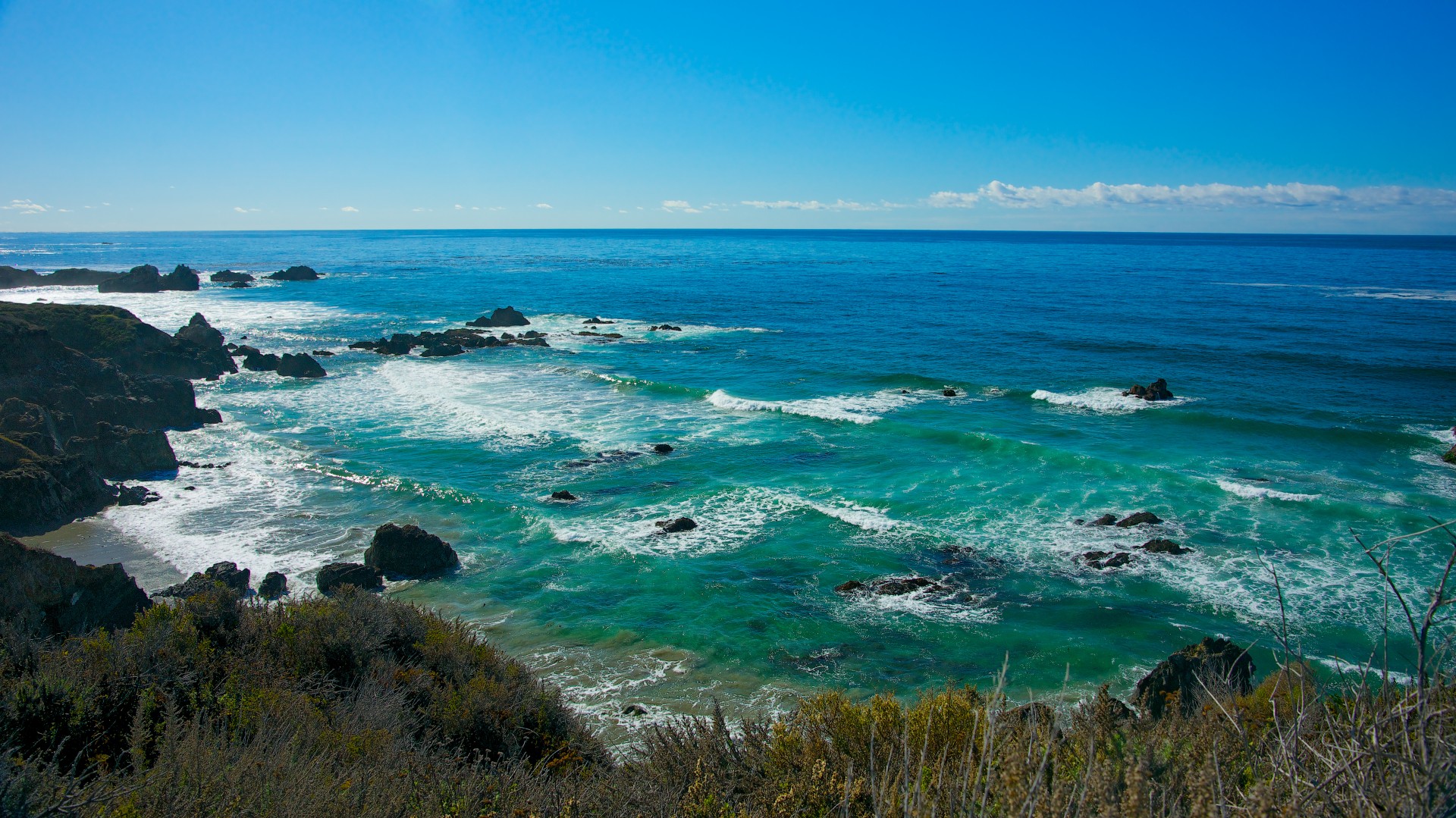
A large Kelvin wave of warm water is expected to reach the California coast around mid-October. The slow-moving bulge of water could temporarily raise sea levels along the coastline by about 6 to 12 inches (15 to 30 cm). This extra water, combined with high tides, large waves, or storms, may increase the risk of coastal flooding and erosion.
What is a Kelvin wave?
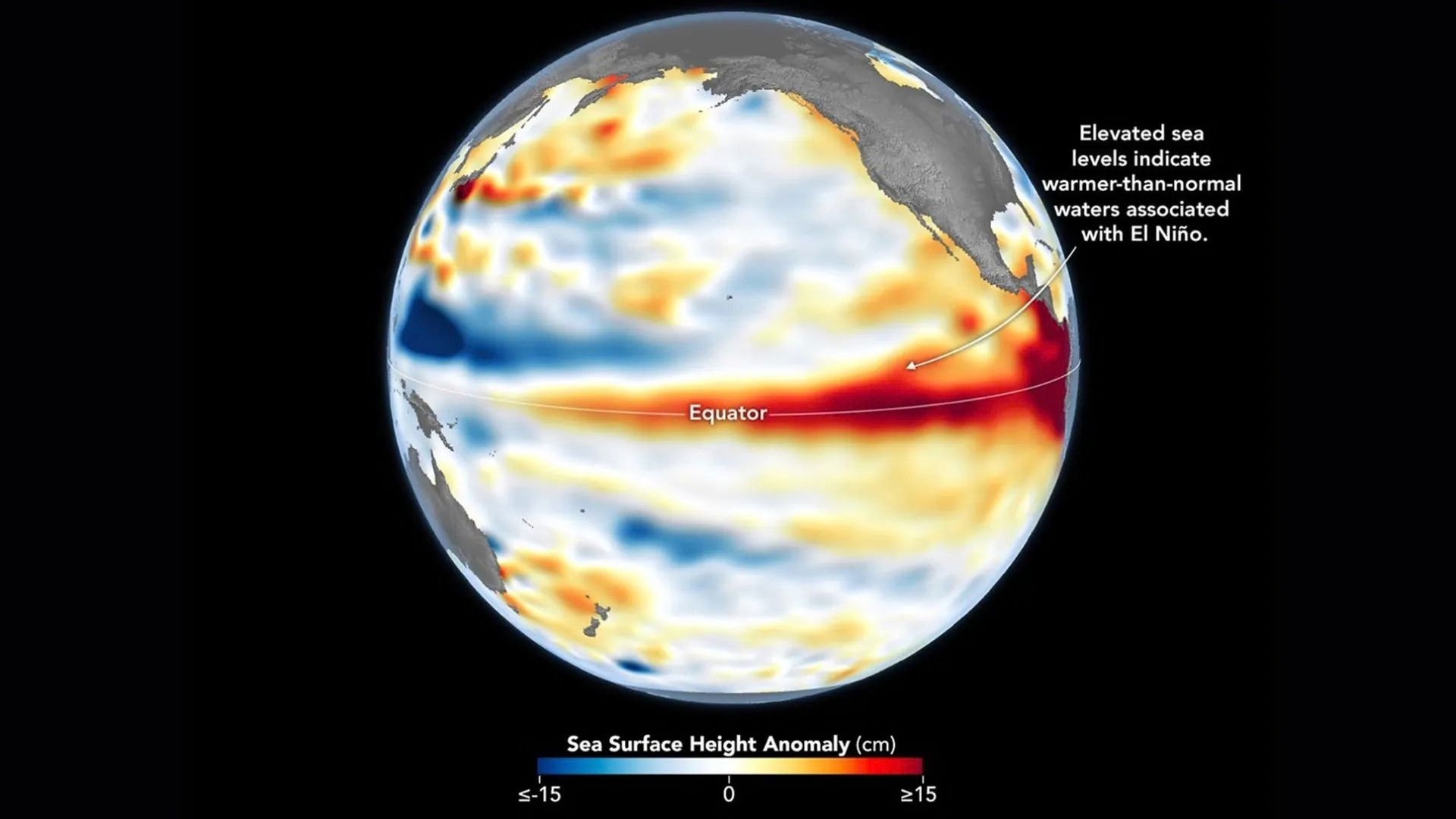
Kelvin waves are different from the wind-driven waves we see breaking at the beach. Instead of short, crashing surface waves, Kelvin waves are massive, slow-moving pulses of warm water. They travel deep beneath the ocean surface. A single wave can stretch across large parts of the Pacific, temporarily raising sea levels as it passes.
Where did this wave come from?
The Kelvin wave began thousands of miles away near the equator in the western Pacific Ocean. Changes in wind patterns pushed the large mass of warm water eastward across the ocean toward South America. Upon hitting the South American coast, the wave split. One part traveled south, while another traveled north along the coasts of Central and North America. That northern branch is now heading toward California.
El Niño and Kelvin waves
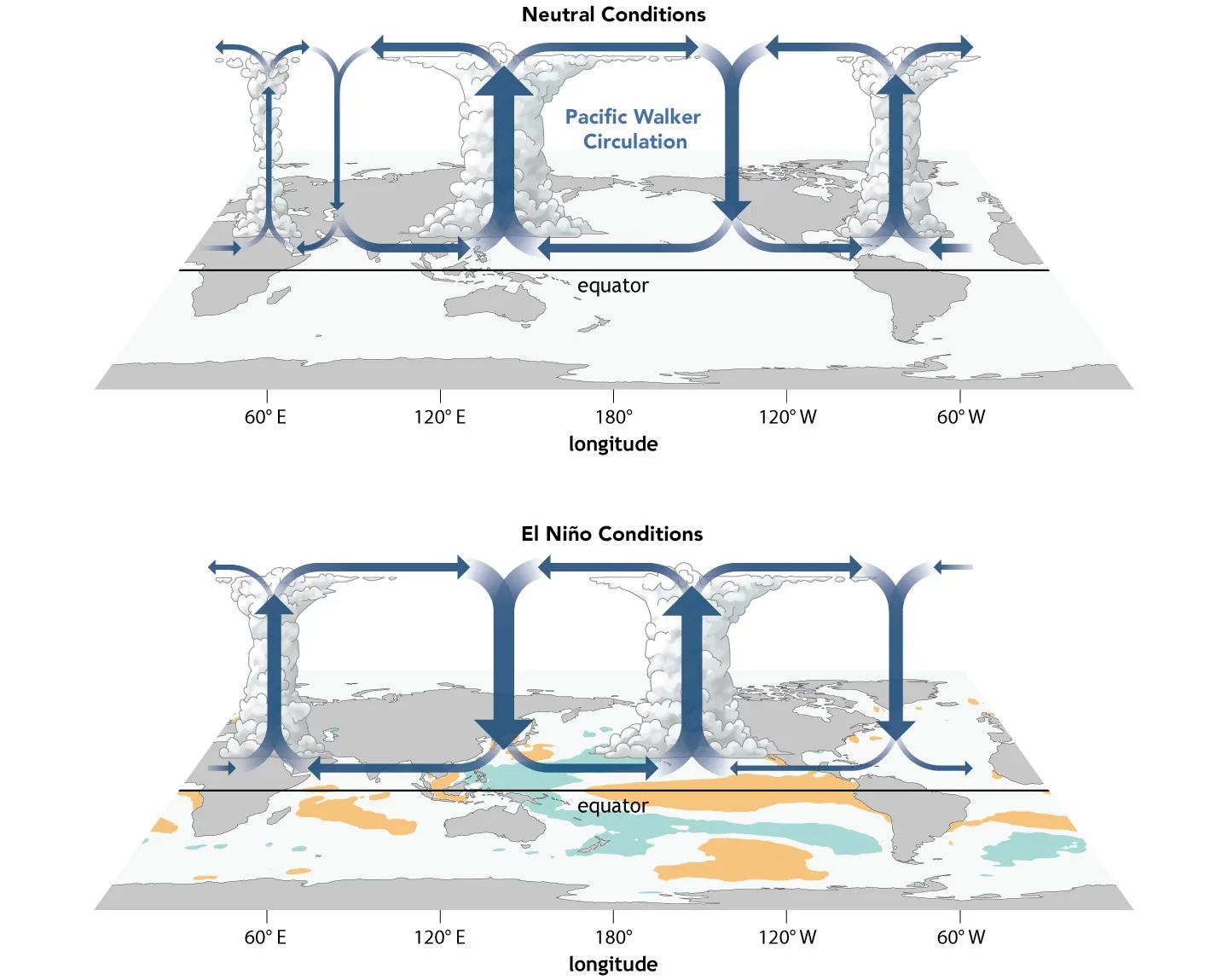
El Niño is a climate pattern that causes unusual warming in the tropical Pacific Ocean. Strong El Niño events often create Kelvin waves that carry warm water toward the Americas. During the major 2015-2016 El Niño, scientists tracked multiple Kelvin waves. The event was linked to extremely powerful waves on the US West Coast. It also caused record erosion on many California beaches. Scientists will be watching closely as this latest wave arrives to monitor its effects on coastal sea levels.
Resources: PBS.org, CBC.ca, Wikipedia.org

Get the Workbook for this article!
Workbook contains: Article, Reading Comprehension, Critical Thinking Questions, Vocabulary in Context (+ answers), Multiple Choice Quiz (+ answers), Parts of Speech Quiz (+ answers), Vocabulary Game (+ answers)Cite Article
Learn Keywords in this Article

13 Comments
 lore_acuratecz3 daysUH OHHHHHH< THERES A HUGE WAVE COMINGGGG (first comment)
 dogeslow3 daysPOV Roblox kids: YES FINALLY I CAN PLAY ESCAPE TSUNAMI FOR BRAINROTS YEAH!
 luvu30003 daysoh my goodness I hope everyone is ok everyone out there please stay safe