
Australia's Twelve Apostles Are Much Younger Than Previously Believed
Language
Reading Level
Listen to Article
Alignment
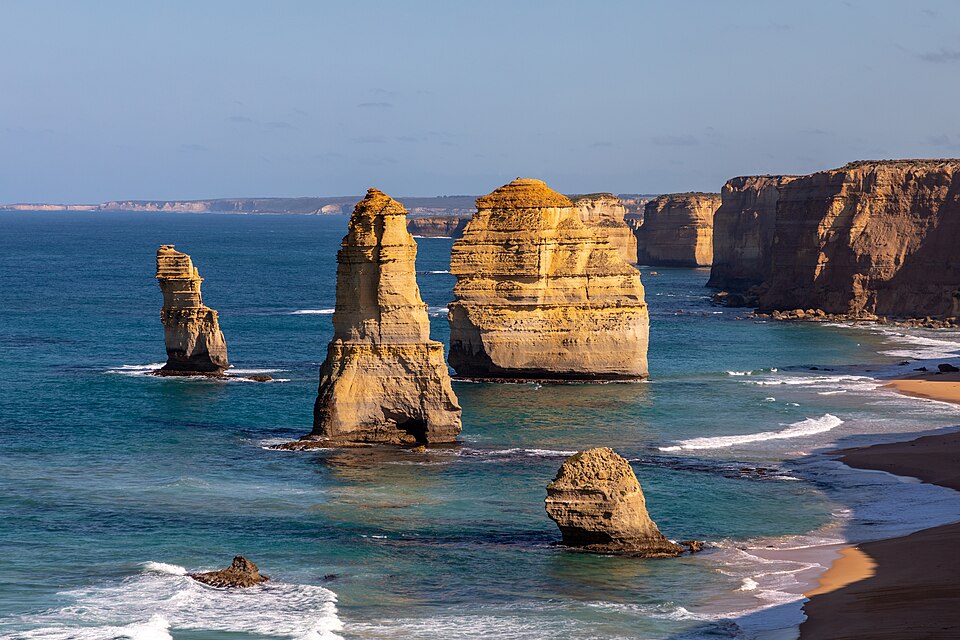
Standing up to 147 feet (45 m) tall along Australia's famous Great Ocean Road in Victoria, the Twelve Apostles are one of the country's best-known natural landmarks. The towering rocks rising from the Southern Ocean attract over two million visitors each year.
Researchers had long believed that the rock stacks were millions of years old. However, a new study published in the Australian Journal of Earth Sciences on April 24, 2026, challenges this belief. It suggests that the Twelve Apostles formed only a few thousand years ago.
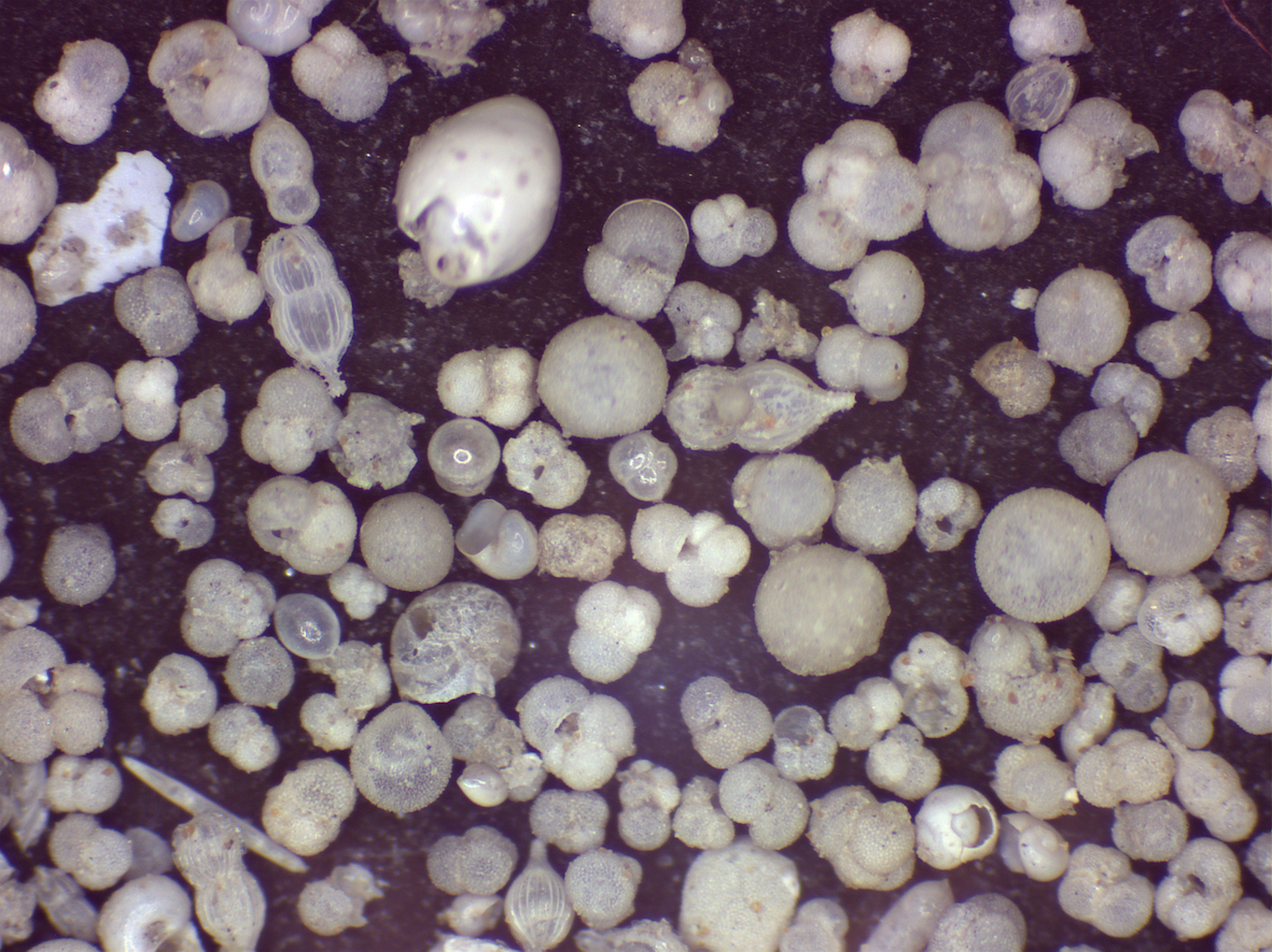
University of Melbourne geologist Stephen Gallagher and his team reached this conclusion after examining tiny fossils trapped inside the limestone that makes up the stacks. These fossils helped the scientists determine that the limestone formed between about 14 million and 8.6 million years ago. At the time, a shallow sea covered this part of Australia. Layers of sediment slowly settled on the seafloor. Over time, the sediment hardened into limestone. It eventually became part of Australia's southern coast, where it remained for millions of years.
But things changed when the last Ice Age ended about 20,000 years ago. As huge ice sheets melted, sea levels rose and reached the coastline again. Over the next few thousand years, waves slowly wore away the softer parts of the limestone. They carved cliffs, arches, and eventually the separate rock stacks.
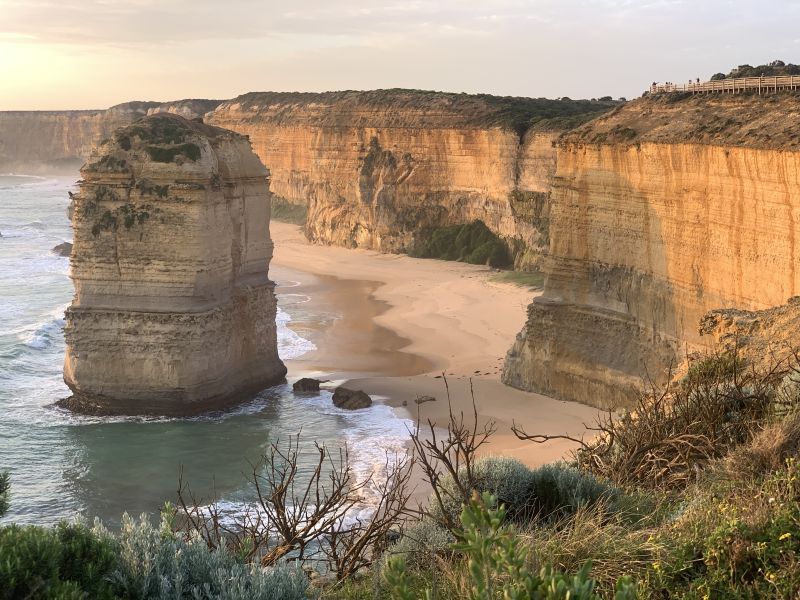
The formations were originally known as "Sow and Piglets." In the 1920s, they were renamed to “Twelve Apostles” to attract more visitors. However, the name is misleading because there were originally just nine stacks. One collapsed in 2005, and another fell in 2009. Today, the remaining seven can be seen from the main viewpoint.
Over time, erosion will slowly break down more stacks and eventually cause them to collapse. By studying them before they are gone, scientists can learn more about how Earth's climate, oceans, and coastlines have changed over time. This information can also help researchers understand how today's changing climate could affect the planet in the future.
Resources: Wikipedia.org, sciencedaily.com, theconversation.com, unimelb.edu.au, earth.com

Get the Workbook for this article!
Workbook contains: Article, Reading Comprehension, Critical Thinking Questions, Vocabulary in Context (+ answers), Multiple Choice Quiz (+ answers), Parts of Speech Quiz (+ answers), Vocabulary Game (+ answers)Cite Article
Learn Keywords in this Article

14 Comments
 smartreader12 daysI want to there it looks great
 hunezoworelu12 daysso cool
 turntochrist12 daysThat's so cool