
These Cookies Started As Plastic Bottles
Language
Reading Level
Listen to Article
Alignment
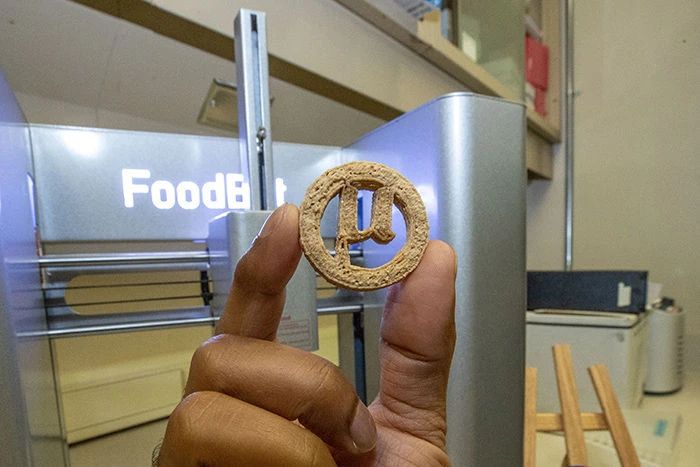
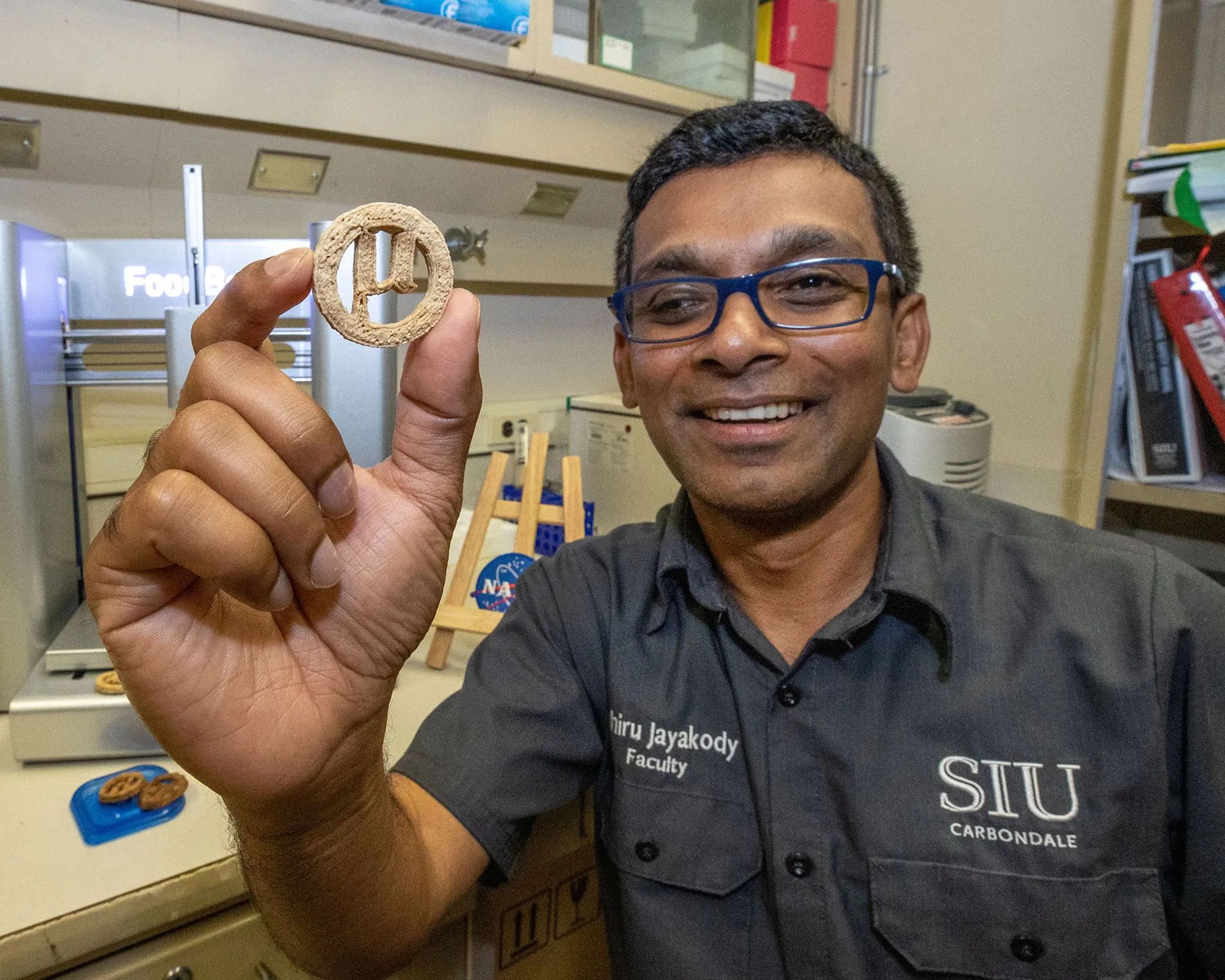
Making edible cookies may be the last thing that comes to mind when we think of ways to recycle plastic. But that is exactly what researchers at Southern Illinois University Carbondale have developed with support from NASA. Dubbed µBites (pronounced "micro-bites"), the project demonstrates how common plastic can be transformed into nutritious food using bioengineering.
How it works
For their project, the researchers chose PET plastic. It is commonly used to make water bottles and other single-use products. PET contains carbon, an element that is also found in the foods we eat. Dr. Jayakody and his team wondered if they could break down the carbon in the plastic and turn it into useful nutrients.
"My lab works on developing technologies for plastic upcycling," Dr. Jayakody explained. "We thought, why not look into food? Plastic is carbon and food is carbon."
The team began by mixing clear plastic water bottles with plant waste, such as corn stalks. The mixture was then heated under intense pressure using only water and oxygen. This process broke the plastic and plant material into smaller molecules. These molecules dissolved in water, creating a liquid rich in carbon.
The liquid was then poured into tanks containing genetically modified yeast. The yeast used carbon from the plastic and nutrients from the plant waste to grow. As the yeast grew, it produced food ingredients, including proteins and fats, inside its cells. Finally, these nutrient-rich yeast cells were blended with starch, fiber, and a little sugar to make a thick, dough-like paste.
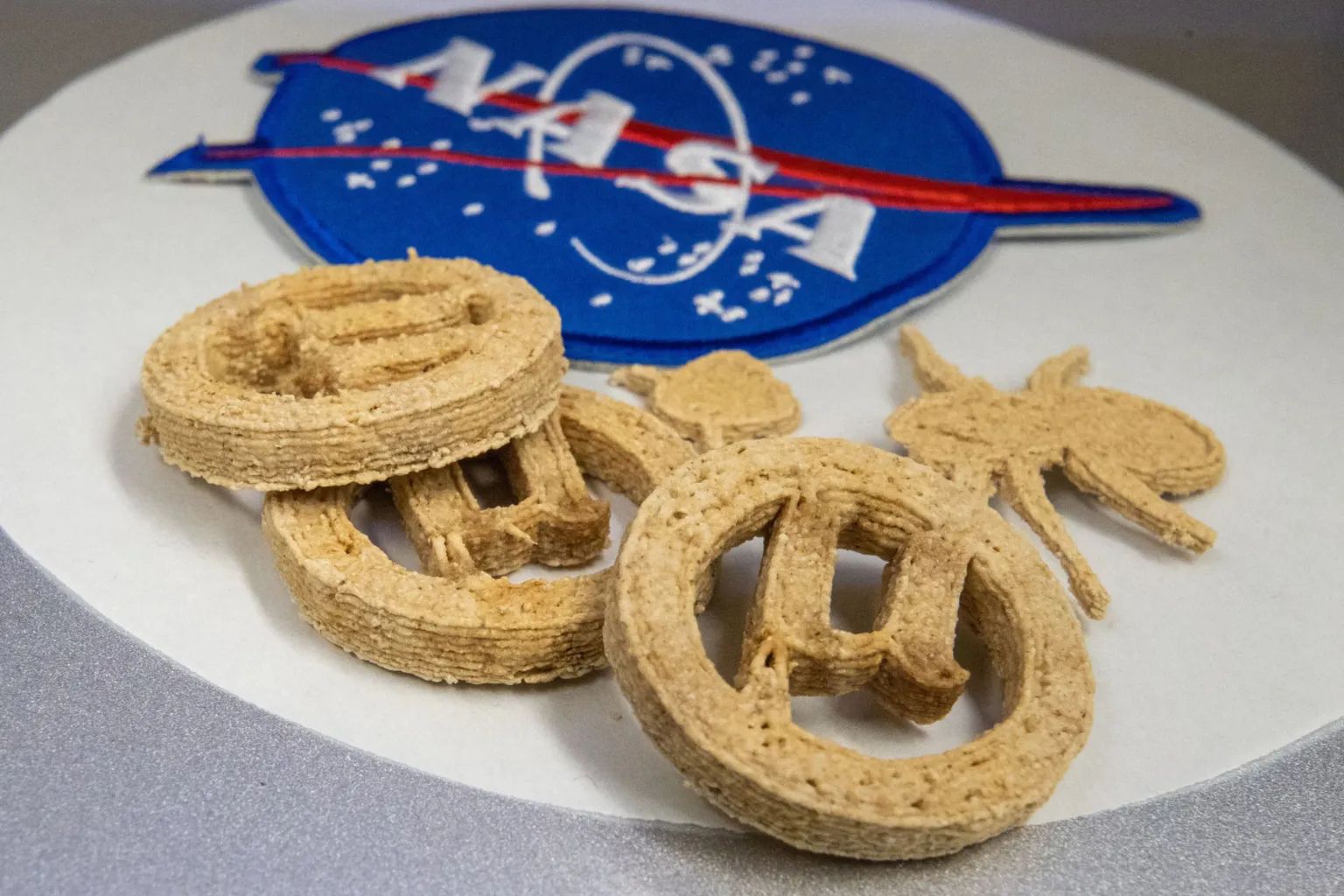
The team then fed the paste into a 3D printer, which squeezed it into small shapes resembling the Greek letter µ (mu). A quick zap in the microwave baked them into firm cookies. The cookies smelled surprisingly good. Lab tests also showed they were safe to eat. However, the team is waiting on official university approval before trying them.
The researchers presented their findings at the ACS Fall Science Conference on August 24, 2026. The cookies were developed as part of NASA’s Deep Space Food Challenge. Astronauts heading on long missions to Mars cannot carry years of food supplies, but they will end up with plenty of trash. By turning plastic waste into food, they could become more self-sufficient during the journey.
The cookies could also help address food shortages on Earth. However, the production process still needs to be improved and the cost lowered before they can become widely available. More importantly, the public will need to be convinced that the plastic-derived snack is safe to eat.
Resources: Cnet.com, Theguardian.com, Acs.org
Get the Workbook for this article!
Workbook contains: Article, Reading Comprehension, Critical Thinking Questions, Vocabulary in Context (+ answers), Multiple Choice Quiz (+ answers), Parts of Speech Quiz (+ answers), Vocabulary Game (+ answers)Cite Article
Learn Keywords in this Article

64 Comments
- gorlock6 daysmaybe we can save world hunger
 zycujamyvuwe6 daysI would be scared to try it but I think I would
- ihave2dogs9 daysit's a good and I guess yummy way to recycle plastic
 dogeluvva989 daysI would say that
 fokodamakaro9 daysseems a little gross, though.
- fokodamakaro9 dayscool! plastic made cookies.
 topikymyfogy9 daysNASA is crazy first the moon base then plastic cookies in a book i heard that nasa even tried making a 3d printer that “printed” edible pizza
- topikymyfogy9 daysThis takes food that tastes like plastic litrarly
- kristis_korner10 daysI would eat if they were deemed edible, but still kinda disgusting cool article
 0bulbasaur010 daysI wouldn't eat a plastic cookie