The Origins and Traditions Of Halloween
Language
Reading Level
Listen to Article
Alignment
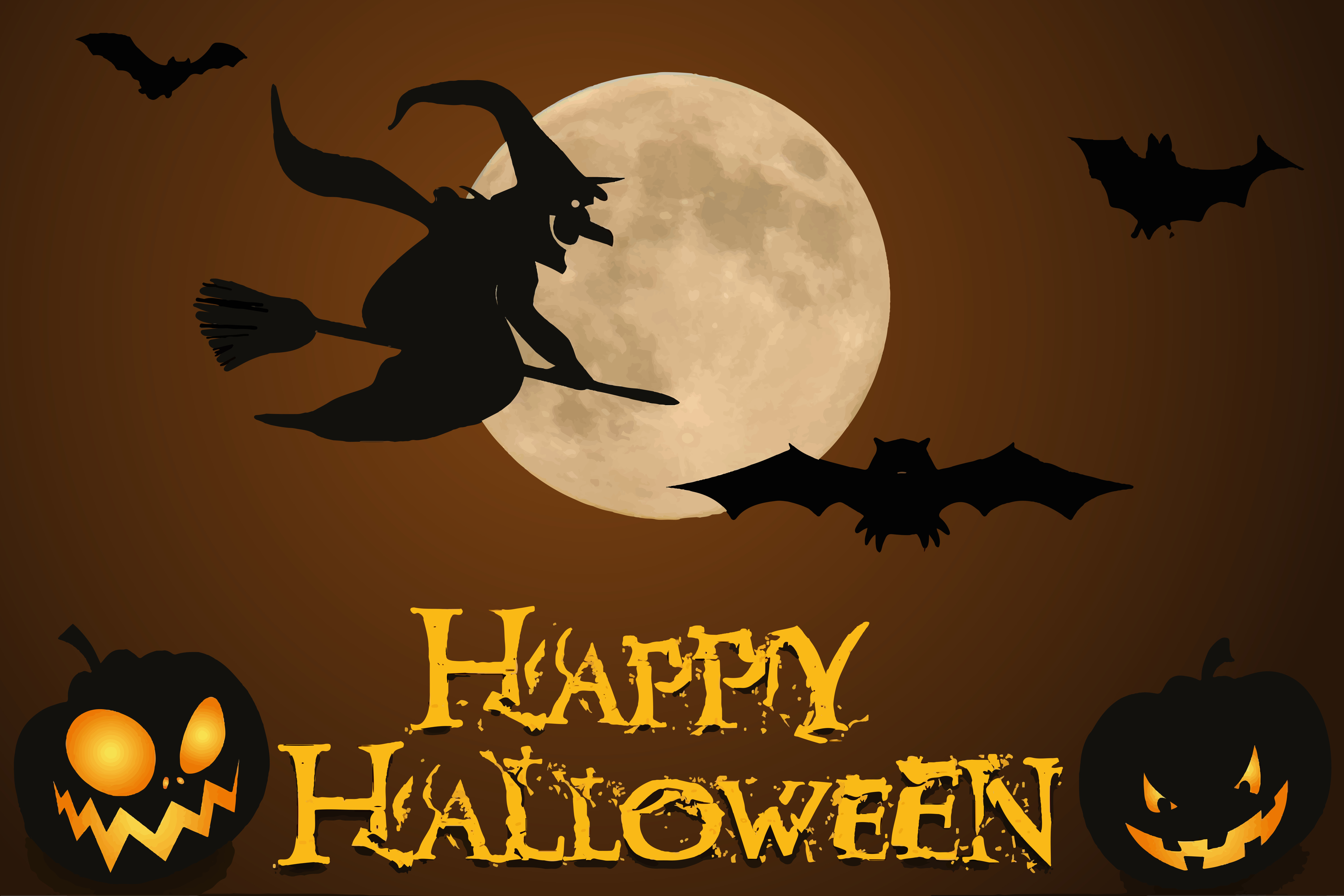
On October 31, millions of people around the world will celebrate Halloween. The holiday is especially popular in the United States, where 92 percent of households plan to take part in at least one Halloween activity this year. But how did this spooky holiday begin? And where did its fun traditions come from? Read on to find out!
The origins
Halloween's history dates back more than 2,000 years to the Celtic festival of Samhain. The Celts lived in areas that are now Ireland, the UK, and northern France. Samhain marked the end of the harvest. They believed that the spirits of the dead could return to Earth during Samhain. To protect themselves from these spirits, they lit bonfires and wore costumes made from animal heads and skins.

In the eighth century, Pope Gregory III designated November 1 as All Saints' Day to honor saints. Over time, the celebration began to incorporate some Samhain traditions. The evening before All Saints' Day became known as All Hallows' Eve. This later evolved into Halloween.
Halloween traditions came to America with Scottish and Irish immigrants in the mid-1800s. It first became popular in the Northeast and Midwest before spreading across the country by the early 20th century. Early celebrations included sharing ghost stories, dancing, and singing.
Trick-or-treating
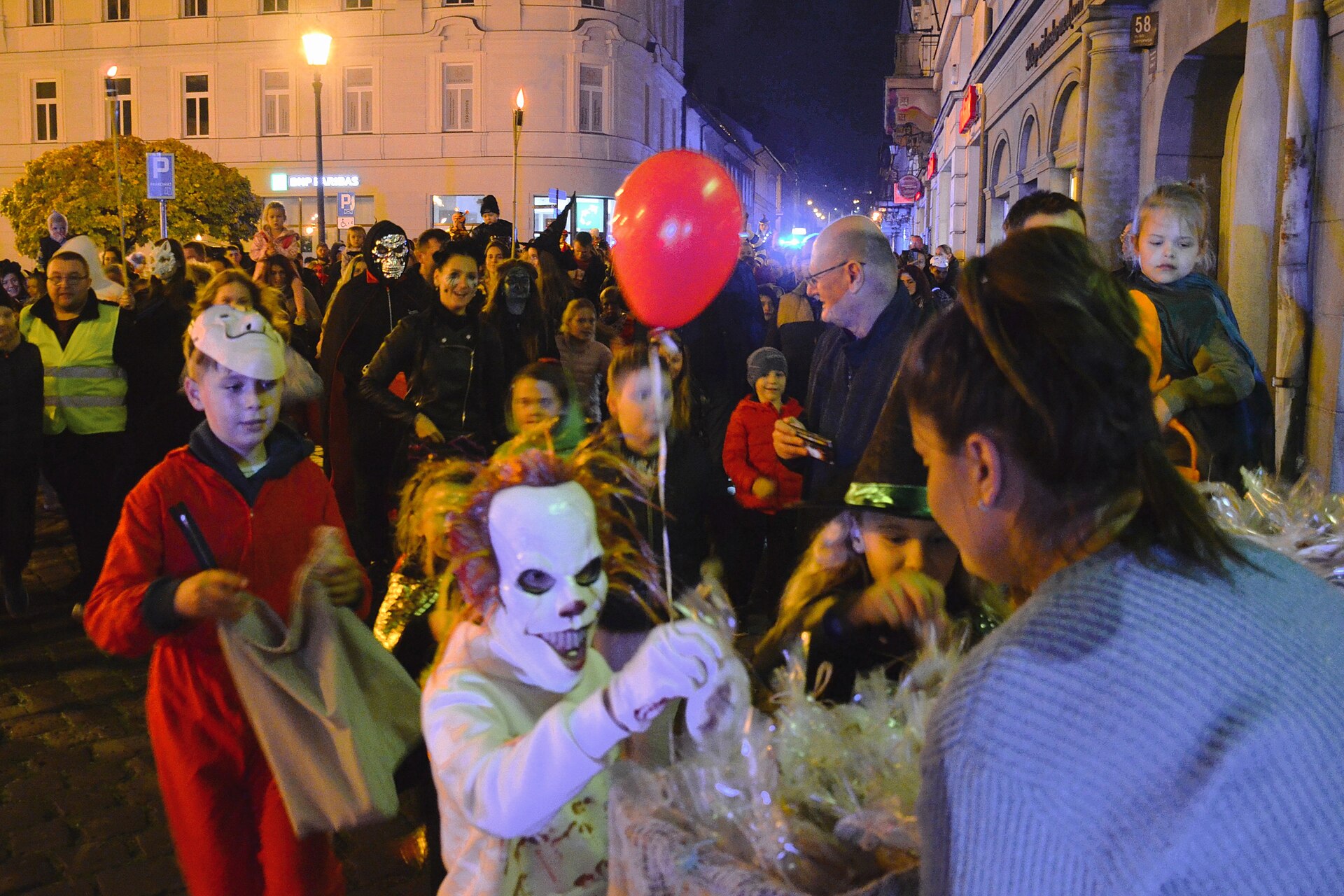
Trick-or-treating has its roots in the European tradition of All Souls' Day. On this day, the poor would knock on the doors of the wealthy and offer prayers for their dead. In return, they received sweet breads called soul cakes. This tradition was known as "souling." It evolved when Irish and Scottish children began dressing in costumes and receiving treats for singing or reciting poems. Immigrants later brought these traditions to America, where they eventually became the modern trick-or-treating celebration.
Why candy?
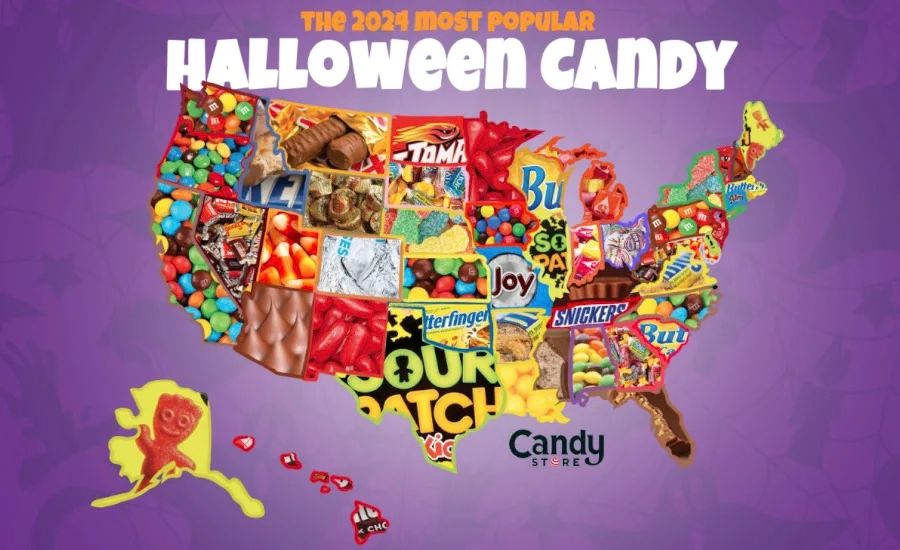
In the early days of trick-or-treating, children received homemade goods, fruit, nuts, coins, and small toys. That changed in the 1970s, when growing safety concerns over unwrapped items led parents to favor factory-sealed sweets instead. Today, Halloween is a major holiday for candy makers. Americans alone buy more than 600 million pounds of candy each fall. This accounts for about 10 percent of annual candy sales, generating billions of dollars for manufacturers.
Jack-o'-lanterns
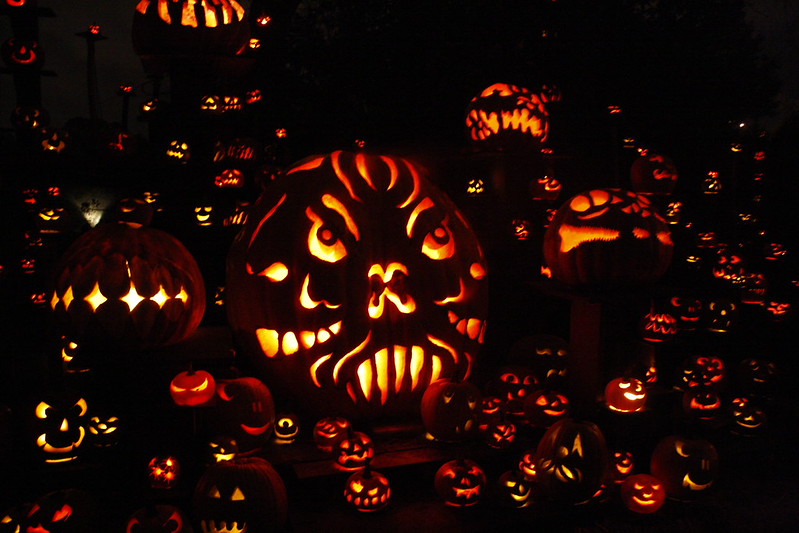
No Halloween is complete without a spooky jack-o'-lantern. The tradition began in Ireland, where people carved eerie faces into turnips and potatoes to ward off evil spirits. When Irish immigrants arrived in America, they discovered that pumpkins were larger and far easier to carve. Before long, these orange gourds became the favorite choice for making jack-o'-lanterns.
Have a spooky and safe Halloween!
Resources: Wikipedia.org, History.com, libraryofcongress.gov

Get the Workbook for this article!
Workbook contains: Article, Reading Comprehension, Critical Thinking Questions, Vocabulary in Context (+ answers), Multiple Choice Quiz (+ answers), Parts of Speech Quiz (+ answers), Vocabulary Game (+ answers)Cite Article
Learn Keywords in this Article

84 Comments
 thejokeboy8 daysI don't celebrate halloween just Dia de muertos (day of the Dead)
- fedodivabopa8 daysMy fav candy is Reese’s cups to btw and gummies worm
 vycanumunaly8 daysI am Luna from Harry potter
- brickspin265 daysI love harry Potter too!! I am being just a normal hogwarts student.
- vycanumunaly8 daysI do it for the candy and dressing up it is a day where no one can recognize me I love halloween
 master118 daysSuper Cool i love halloween it is my favorite I'm being dumbledore from harry potter
- brickspin265 daysI love harry Potter too!! I am being just a normal hogwarts student.
 defubynomojo9 daysI think Halloween is mostly about having fun hanging out with your friends
 imcoolbruh10 dayswhat's your favorite candy?
 dulcemariav105 daysMine is sour Skittles
- imcoolbruh7 daysmine is either dots or swedish fish
- rilamumuwiky8 daysMine is Sourpatch kids strawberry
 sekydetymuha9 daysbtw my fav candy is Reese's cups Reese's cups eat it up eat it up...
- fedodivabopa8 daysSame as mine
- revamiryjedi9 daysPractically all the chocolate candies except Tootsie Rolls
- brickspin2610 daysI actually do not like any type of candy they just do not taste good to me
- 33greenc10 daysI’m gonna chase people as cat in the hat 😁
- dulcemariav105 daysThat's scary and fun
- numisa11 daysUh I think this article is very weird and cool
 pofebygemacy12 daysi am gonna be ghost face
- waziresisozo9 daysMy sister is gonna be Gumball
- waziresisozo9 daysI’m gonna be SpongeBob